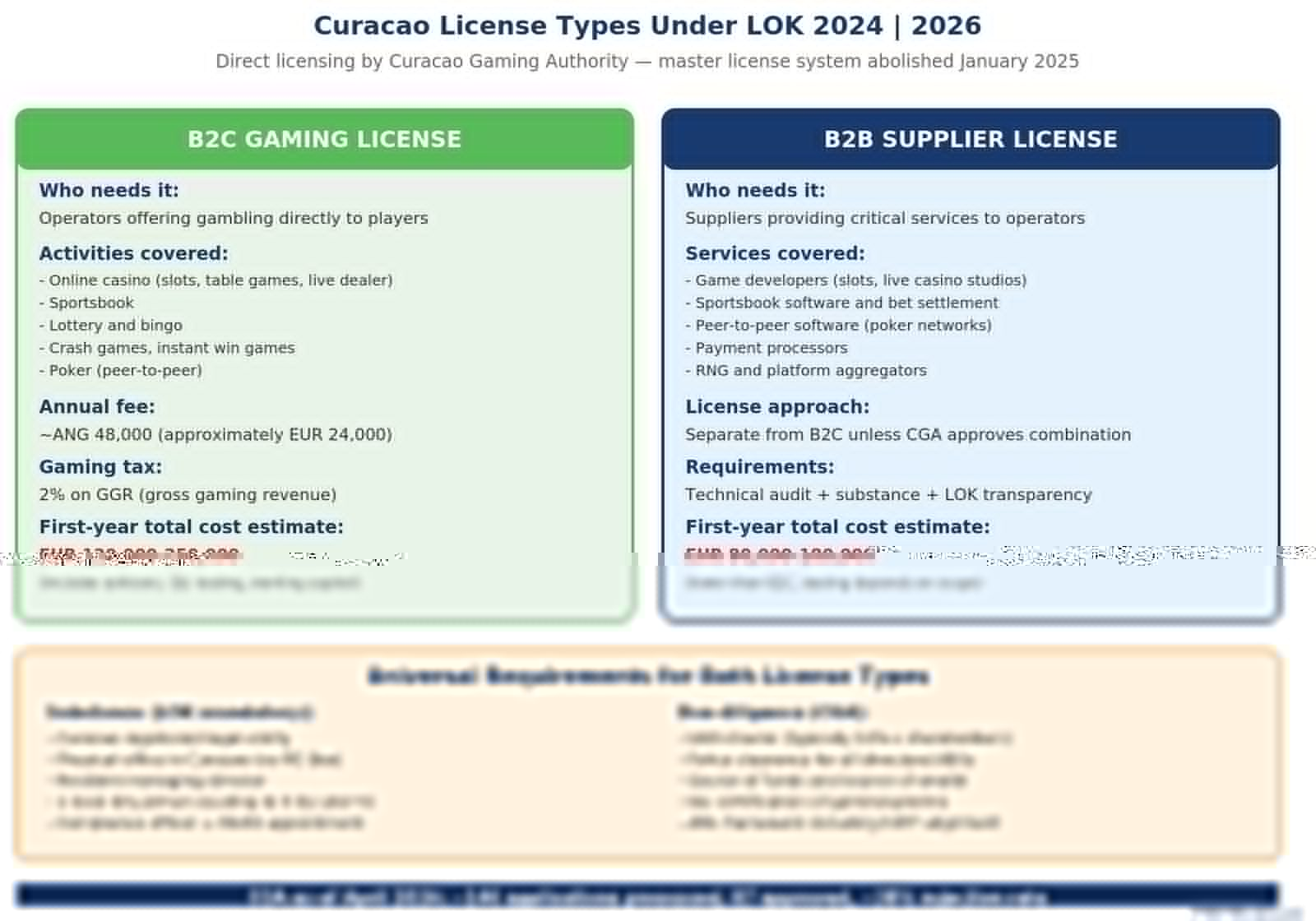
The Curaçao gaming landscape has undergone a significant transformation with the implementation of the new LOK (Licentie Overheid Kerkplein) transition framework and crypto-verification compliance requirements. For international crypto casino operators, understanding these regulatory changes is not merely advisable but essential for maintaining legitimate operations and protecting both player assets and business interests. The Gaming Control Board’s finalized guidance represents a watershed moment in how digital currency gambling platforms must approach licensing, verification, and operational transparency across global markets.
Understanding the LOK Transition Framework
The Curaçao LOK transition represents a comprehensive overhaul of how the jurisdiction approaches online gaming regulation, particularly for operators dealing with cryptocurrency transactions. Unlike traditional licensing models that focus primarily on fiat currency operations, the new LOK framework specifically acknowledges the unique challenges and opportunities presented by blockchain-based gaming platforms. This transition has been designed to create a more robust regulatory environment that protects players while allowing legitimate operators to continue serving international markets from this Caribbean jurisdiction.
Operators who previously held legacy Curaçao licenses must now navigate the transition process to align with current standards. The framework establishes clear timelines and benchmarks that operators must meet to maintain their licensing status. This is not a simple administrative update but rather a fundamental reimagining of compliance obligations that touches every aspect of platform operations, from player account management to transaction verification and record-keeping protocols.
Crypto-Verification Compliance Requirements

The crypto-verification framework stands as the centerpiece of the new regulatory approach. This system requires operators to implement advanced Know Your Customer (KYC) and Anti-Money Laundering (AML) protocols specifically designed for cryptocurrency transactions. The requirements go beyond standard identity verification to include blockchain transaction analysis, wallet address verification, and source-of-funds documentation for all cryptocurrency deposits and withdrawals.
Blockchain Transaction Monitoring
Operators must now maintain sophisticated systems capable of tracking cryptocurrency movements across blockchain networks. This involves real-time monitoring of wallet addresses associated with player accounts, verification that funds originate from legitimate sources, and documentation of the complete transaction chain. Platforms must be able to demonstrate to regulators that they can identify suspicious patterns, such as rapid fund cycling or transactions involving known high-risk addresses.
Wallet Address Verification Protocols
Under the new framework, operators cannot simply accept cryptocurrency deposits from any wallet address. Instead, they must implement verification procedures that confirm the wallet belongs to the account holder. This typically involves requiring players to demonstrate ownership through signing transactions or providing cryptographic proof. The Gaming Control Board expects operators to maintain detailed records of all verified wallet addresses and any changes to these addresses over time.
Implementation Strategies for Operators
For operators currently holding Curaçao licenses, the transition process requires a phased approach that balances regulatory compliance with operational continuity. The first step involves conducting a comprehensive audit of existing systems to identify gaps between current practices and the new requirements. Many operators find that their existing KYC infrastructure, while adequate for traditional gaming, requires significant enhancement to meet crypto-specific standards.
Integration with blockchain analysis providers has become a standard requirement. Companies like Chainalysis and Elliptic offer services that help operators identify high-risk wallet addresses and track the source of cryptocurrency funds. While these services represent an additional operational cost, they have become essential tools for demonstrating compliance with the new framework. Operators must evaluate multiple providers to find solutions that integrate seamlessly with their existing player management systems.
Documentation and record-keeping procedures must be completely overhauled to accommodate the new requirements. The Gaming Control Board expects operators to maintain comprehensive records of all cryptocurrency transactions, including wallet addresses, transaction hashes, timestamps, and conversion rates at the time of transaction. These records must be maintained in a format that allows rapid retrieval during regulatory audits and must be preserved for extended periods as specified by the framework.
Player Experience and Trust Considerations
While compliance is paramount, operators must recognize that excessive friction in the verification process can negatively impact player experience and retention. Successful operators are implementing streamlined onboarding processes that meet regulatory requirements without creating unnecessary barriers to entry. This might involve pre-verification of common cryptocurrency exchanges or integration with identity verification services that players already use.
Transparency about verification procedures builds player trust and demonstrates commitment to security. Operators who clearly communicate why certain verification steps are necessary and how player data will be protected tend to experience higher conversion rates and better player retention. Major platforms serving international markets have found that players, particularly those familiar with cryptocurrency, generally support robust verification procedures when they understand the protective purpose.
Operational and Technical Requirements
The new LOK framework imposes specific technical requirements that operators must meet. Platforms must maintain segregated player accounts, with cryptocurrency holdings kept in secure cold storage arrangements that can be audited by regulators. Smart contract implementations, if used, must be thoroughly documented and approved by compliance teams before deployment. Operators must also maintain detailed audit trails of all system changes, access logs, and transaction modifications.
API security has become a critical focus area. The Gaming Control Board expects operators to implement industry-standard security protocols for all external integrations, including payment processors, odds providers, and blockchain interfaces. Regular security audits by independent third parties are now effectively mandatory, and operators must be prepared to provide audit reports to regulators upon request.
Timeline and Transition Deadlines
The transition process operates according to specific deadlines established by the Gaming Control Board. Operators who fail to meet these milestones risk license suspension or revocation. The framework typically provides operators with a reasonable implementation period, but this varies based on the complexity of required changes. Operators should immediately contact their gaming license administrators to confirm their specific transition deadlines and required compliance steps.
Regular communication with regulatory authorities during the transition process is essential. Many operators have appointed dedicated compliance officers responsible for liaison with the Gaming Control Board. This proactive approach often results in smoother transitions and provides opportunities to seek clarification on ambiguous requirements before implementation deadlines arrive.
The Curaçao LOK transition and crypto-verification framework represent a maturation of cryptocurrency gambling regulation. While implementation requires significant investment in compliance infrastructure and ongoing monitoring systems, operators who successfully navigate this transition gain the benefit of operating within a clearly defined, internationally recognized regulatory framework. This legitimacy becomes increasingly valuable as global markets demand higher standards for player protection and financial transparency. Remember that responsible gambling practices remain central to all operations, and operators must implement robust player protection measures including deposit limits, self-exclusion tools, and access to problem gambling resources for all players, regardless of their preferred payment method.

Written by