
The Dutch gambling regulator Kansspelautoriteit delivered a significant enforcement blow to the unlicensed crypto gambling sector when it levied a €37.25 million fine against EOD Code SRL, the operator behind Instantcasino. This landmark case represents one of the most substantial penalties imposed on an unlicensed online casino accepting cryptocurrency deposits while targeting Dutch players. The action underscores the international regulatory community’s intensifying commitment to combating illegal gambling operations and protecting consumers from unregulated platforms that circumvent licensing requirements through cryptocurrency transactions.
The Instantcasino Enforcement Action and Regulatory Implications
The Kansspelautoriteit’s enforcement action against Instantcasino marks a pivotal moment in the regulation of cryptocurrency gambling across European markets. EOD Code SRL, the company operating the platform, faced the substantial fine for conducting unlicensed gambling operations while specifically targeting players located in the Netherlands. The operator accepted cryptocurrency deposits from Dutch residents, effectively bypassing traditional banking controls and regulatory oversight mechanisms that licensed operators must navigate. This case demonstrates that regulators are no longer treating crypto-based gambling evasion as a grey area but rather as a deliberate circumvention of established gambling laws.
The €37.25 million penalty reflects the seriousness with which Dutch authorities view unlicensed gambling operations. Unlike traditional online casinos that rely on conventional payment methods, Instantcasino leveraged cryptocurrency’s pseudonymous characteristics to obscure transaction trails and player identification. This approach created significant consumer protection gaps, leaving Dutch players vulnerable to fraud, unfair gaming practices, and inadequate complaint resolution mechanisms. The regulator’s decisive action sends a clear message to other operators considering similar strategies that the financial consequences of unlicensed operation far outweigh any short-term revenue gains.
How Unlicensed Crypto Operations Evade Traditional Regulations
The Cryptocurrency Advantage for Illegal Operators
Unlicensed gambling platforms have increasingly turned to cryptocurrency as a primary payment method because digital assets operate outside traditional banking infrastructure. When a player deposits Bitcoin, Ethereum, or other cryptocurrencies into Instantcasino, the transaction bypasses the conventional banking verification systems that licensed operators must employ. These licensed platforms, whether offering sports betting on major tournaments like the UEFA Champions League or casino games from providers like NetEnt and Pragmatic Play, must comply with stringent anti-money laundering protocols and player verification requirements. Unlicensed operators accepting crypto deposits avoid these compliance costs and regulatory scrutiny, creating an artificial competitive advantage that ultimately harms consumers.
The appeal of cryptocurrency for illegal operators extends beyond payment processing. Digital assets enable operators to maintain server infrastructure across multiple jurisdictions, making enforcement actions more challenging. Instantcasino could theoretically serve Dutch players while maintaining operational presence in less regulated territories. The pseudonymous nature of blockchain transactions also complicates regulatory tracking and player protection measures. When disputes arise, players depositing through cryptocurrency face significantly fewer recourse options compared to those using regulated payment methods subject to chargeback protections and regulatory oversight.
Targeting Specific Markets While Operating Unlicensed
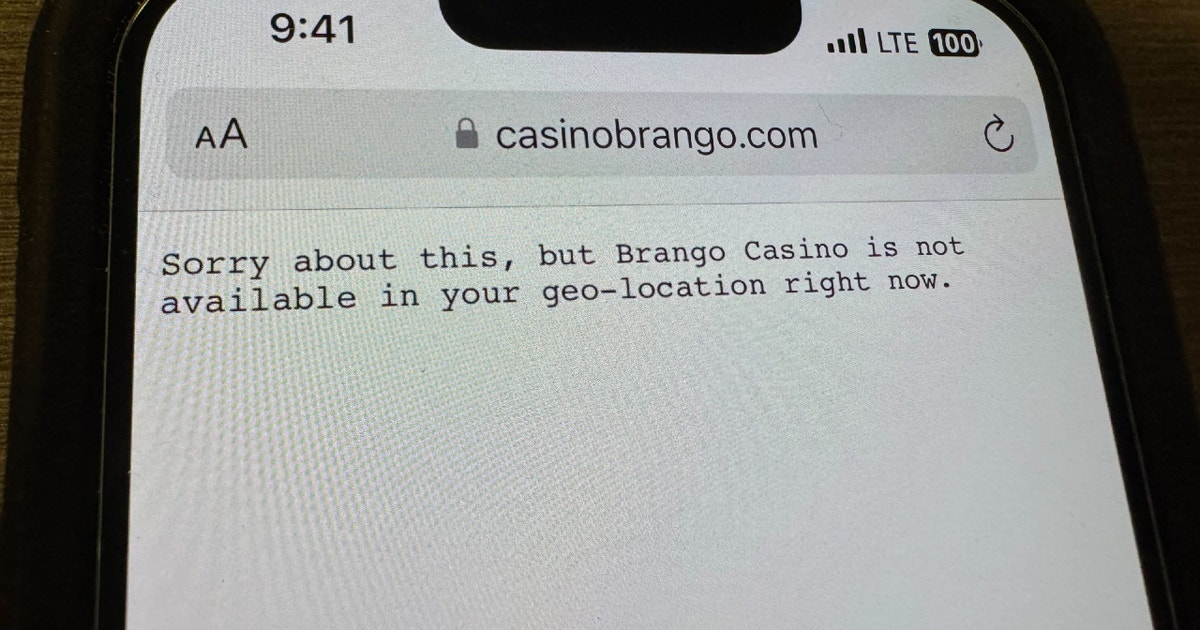
The Kansspelautoriteit’s investigation revealed that Instantcasino deliberately marketed its services to Dutch players despite lacking proper licensing. The platform employed targeted advertising, localized website content, and customer support in Dutch language, creating clear intent to serve the regulated Dutch market while avoiding the substantial compliance investments required for legitimate operation. This targeted approach to market capture while remaining unlicensed represents a calculated violation of gambling regulations. Licensed operators offering similar gaming experiences must invest millions in compliance infrastructure, responsible gambling tools, and regulatory reporting systems that unlicensed competitors simply ignore.
The Regulatory Landscape for Cryptocurrency Gambling
The Instantcasino case occurs within a broader context of evolving cryptocurrency gambling regulation across Europe and internationally. The Kansspelautoriteit has progressively strengthened its enforcement capabilities regarding unlicensed operators, particularly those accepting digital assets. Other European regulators, including those in the United Kingdom, Germany, and Spain, have similarly intensified scrutiny of crypto-based gambling platforms. This coordinated regulatory approach reflects recognition that unlicensed operations accepting cryptocurrency pose systemic risks to consumer protection and market integrity.
Licensed gambling operators in regulated markets must maintain segregated player funds, implement responsible gambling tools, conduct regular audits, and report suspicious activity to financial intelligence units. These compliance requirements create legitimate operational costs that unlicensed competitors avoid. However, this cost differential comes at the expense of player safety. Instantcasino’s players had no assurance that their deposits remained segregated, no guarantee that gaming software operated fairly, and no regulatory body to contact regarding complaints or disputes. The €37.25 million fine represents the regulator’s determination to eliminate this unequal competitive landscape.
Consumer Protection Gaps in Unlicensed Crypto Operations
Players engaging with unlicensed platforms like Instantcasino face substantial consumer protection deficiencies. Licensed operators offering casino games, sports betting, or poker must implement responsible gambling features including deposit limits, self-exclusion options, and mandatory cooling-off periods. Unlicensed operations typically provide minimal such protections, exposing vulnerable players to problem gambling risks without adequate safeguards. Additionally, licensed operators maintain player complaint resolution procedures and, in many jurisdictions, participate in independent dispute resolution schemes. Instantcasino players had no such protections.
The use of cryptocurrency further exacerbates consumer vulnerability. When a player deposits traditional currency through a licensed operator, payment processors implement fraud detection and verification protocols. Cryptocurrency transactions, by contrast, are generally irreversible. A player victimized by fraudulent gaming practices or unfair software has no transaction reversal mechanism. The Kansspelautoriteit’s enforcement action implicitly recognizes that consumers cannot adequately protect themselves against these risks without regulatory intervention.
Strategic Implications for International Gambling Regulation
Coordinated Enforcement Across Jurisdictions
The Instantcasino enforcement action demonstrates that regulators increasingly coordinate across borders to combat unlicensed operations. While EOD Code SRL may have operated from a different jurisdiction, the Kansspelautoriteit successfully identified the responsible entity and imposed substantial financial penalties. This coordination suggests that operators cannot rely on jurisdictional arbitrage to escape enforcement. International regulatory bodies continue developing frameworks for information sharing, asset tracing, and coordinated enforcement actions against unlicensed platforms accepting cryptocurrency from multiple markets simultaneously.
Financial Consequences and Deterrent Effects
The €37.25 million fine establishes a significant financial deterrent for potential unlicensed operators. For context, this penalty substantially exceeds typical annual revenues for smaller unlicensed platforms, making the risk-reward calculation substantially less favorable. Operators considering similar strategies must now account for enforcement risks that can completely eliminate accumulated profits. The substantial penalty also signals to legitimate operators that regulatory investment remains worthwhile, as compliance creates competitive advantages through consumer confidence and reduced enforcement risk.
Actionable Guidance for Players and Industry Participants
International players should prioritize engaging only with licensed and regulated gambling operators. Before depositing funds, players should verify that a platform holds valid licensing from recognized regulators such as the Kansspelautoriteit in the Netherlands, the UK Gambling Commission, or equivalent bodies in their jurisdiction. Licensed operators display regulatory credentials prominently and maintain transparent complaint resolution procedures. Players should be particularly cautious regarding platforms accepting exclusively cryptocurrency, as this payment method choice often correlates with unlicensed operation. Established providers like Playtech, Evolution Gaming, and Microgaming supply games exclusively to licensed operators, so their presence typically indicates regulatory compliance.
Industry professionals should recognize that regulatory enforcement increasingly targets unlicensed operations accepting cryptocurrency. Compliance investments in licensed markets, while substantial, provide competitive advantages and eliminate enforcement risks that could prove catastrophic. The Instantcasino case demonstrates that regulators possess sufficient technical sophistication to identify and pursue unlicensed operators regardless of cryptocurrency’s pseudonymous characteristics. Market participants should expect continued regulatory escalation in this space.
Responsible Gambling Considerations
Gambling involves financial risk and should be approached as entertainment with money one can afford to lose. Players should establish personal deposit limits before engaging in any gambling activity and maintain strict adherence to these limits. Licensed operators provide responsible gambling tools including deposit limits, loss limits, and self-exclusion options that players should actively utilize. If gambling begins to negatively impact personal finances, relationships, or mental health, players should seek assistance from organizations providing problem gambling support. Unlicensed operators like Instantcasino typically lack these protections, making them particularly dangerous for individuals vulnerable to problem gambling. Always gamble responsibly and within your means.

Written by